
Praetori / Field Notes
FN · 006
22 JUL 2026 · The Architecture of Control
The next operating system for critical organisations will be continuous.
Batch processing and scheduled updates are lethal in environments that require real-time state awareness. The future is continuous.
By Jordi Sluiman
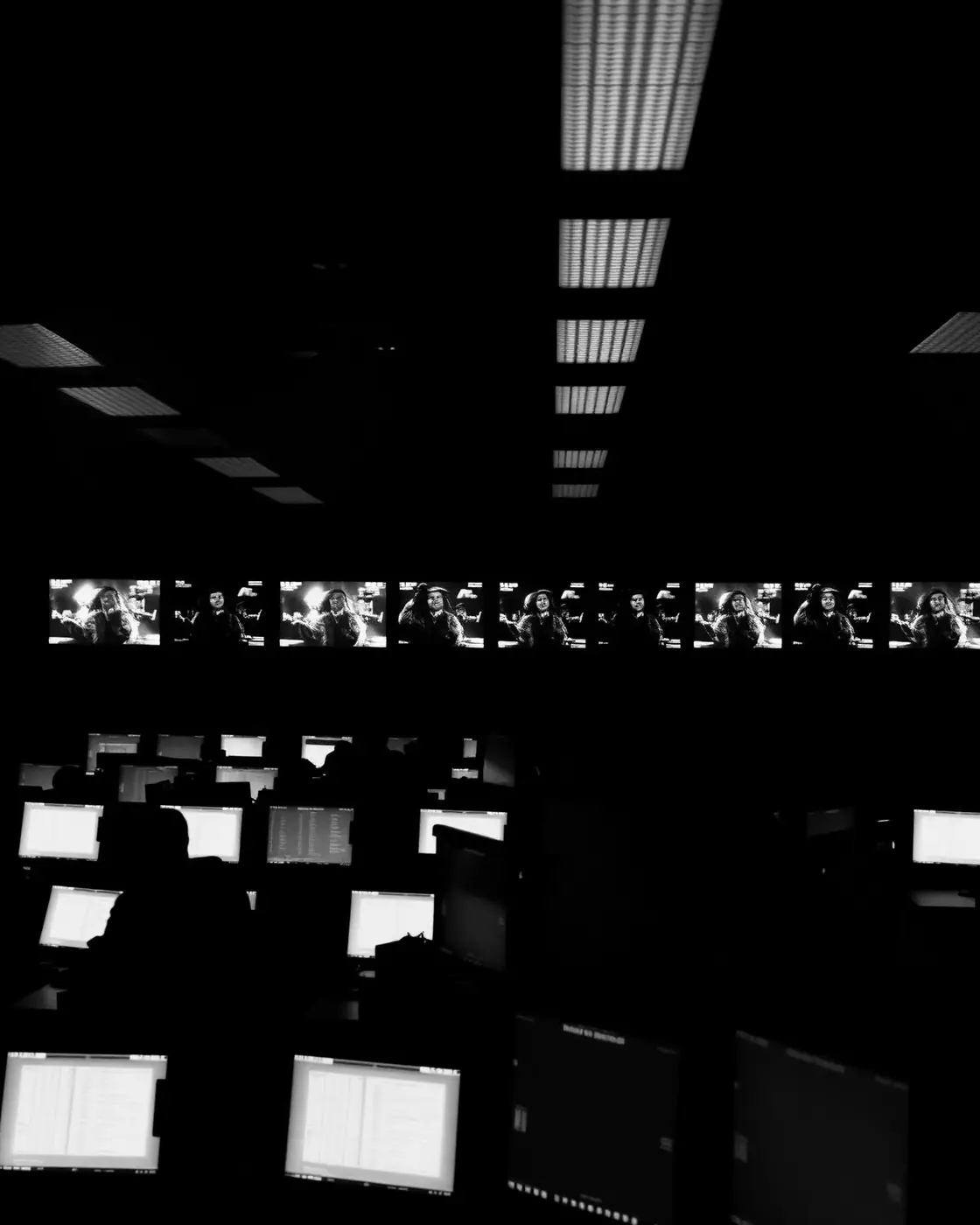 FN · 006 / PLATE
We run critical infrastructure on systems designed for a different era.
Much of our enterprise and government technology is built on the concept of the batch. We collect data, we process it at a scheduled interval, and we output a report. We refresh the dashboard every hour. We sync the databases overnight.
In environments that require real-time state awareness, batch processing is lethal.
If your operational picture is refreshed every hour, you are operating in the past. The next operating system for critical organisations will be continuous.
The limits of batch processing
When reality changes fast, discrete updates create dangerous blind spots.
Consider a supply chain disruption or a coordinated cyber-physical attack. The situation evolves minute by minute. If your command centre relies on a system that updates every fifteen minutes, you have fifteen minutes of latency built into every decision.
During those fifteen minutes, operators are making calls based on a reality that no longer exists.
Batch processing forces organisations to be reactive. You cannot preempt a failure if your system only tells you about it after the processing cycle is complete.
Defining continuous operations
Continuous operations mean that the system state is always current.
When a sensor detects a change, when an operator inputs a new directive, or when an external feed flags a threat, that information propagates instantly across the entire architecture. There is no refresh button. The baseline is always live.
This is not just about faster data streaming. It is about a fundamental shift in architecture.
It requires moving from polling databases to event-driven systems. It requires infrastructure that treats every change as an event that instantly updates the shared operational reality.
The technical requirements for real-time state
Building for continuous operations requires strict technical discipline.
First, it demands absolute data sovereignty and security. You cannot stream live operational state across unverified networks. The infrastructure must provide secure enclaves where data can flow instantly without compromising integrity.
Second, it requires intelligent routing. If every event triggers a notification to every operator, the system will collapse under cognitive overload. The infrastructure must understand the context of the event and route the update only to the nodes that require it for alignment.
Third, it requires systems that can operate through degradation. If a node goes offline, the continuous state must adjust and maintain integrity for the rest of the network.
The new baseline
At Praetori, we are building this continuous infrastructure.
We understand that for defence, security, and critical enterprise, the margin for error is measured in seconds. You cannot afford to wait for the next batch.
The transition from legacy IT to real-time operational technology is the defining shift of this decade. Organisations that master continuous operations will maintain control. Those that rely on the refresh button will be left behind.
Praetori · Field Notes