
Praetori / Field Notes
FN · 001
12 MAY 2026 · Operational Control
The bottleneck is no longer information. It is coordination.
We have solved data collection. The crisis now is synthesising that data into aligned action across disconnected teams.
By Jordi Sluiman
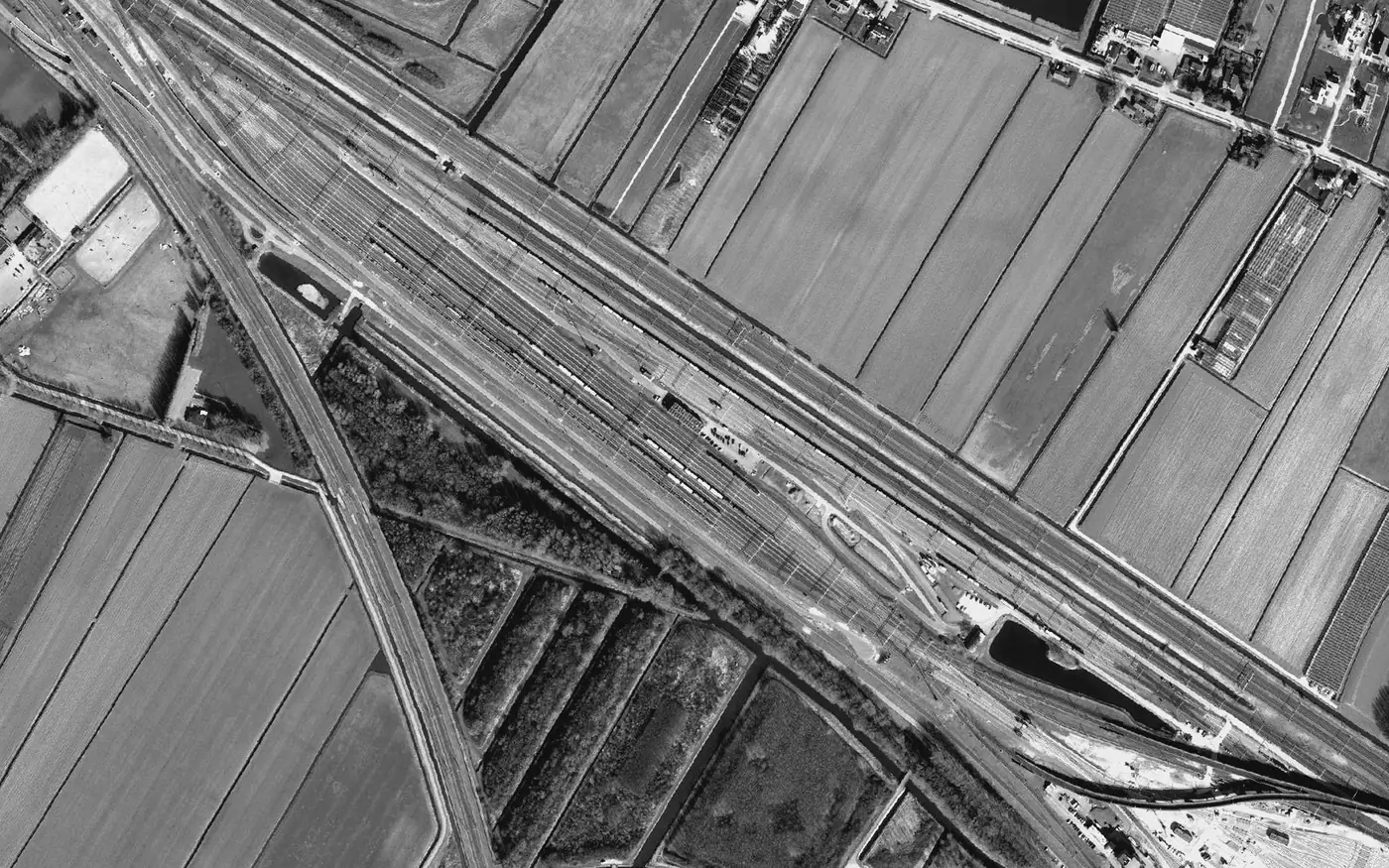 FN · 001 / PLATE
We have spent the last decade obsessed with collection. We deployed sensors, built data lakes, and installed dashboards in every command centre. We succeeded in gathering information. We failed to make it actionable at speed.
The defining challenge for critical operations is no longer acquiring data. It is coordinating action.
When reality changes fast, the friction is not in the network. The friction is between the people who need to act on the network's data.
The illusion of the single pane of glass
The enterprise and defence sectors bought into a specific promise. The promise was that if you put all the data on one big screen, clarity would follow. This is the myth of the "single pane of glass".
It does not work. A dashboard is passive. It tells you what happened five minutes ago. It does not tell the logistics team what the operations team is doing right now. It does not resolve conflicting priorities between departments. It just displays the chaos in high definition.
In a crisis, a dashboard quickly becomes a liability. Operators stop looking at the screen and start making phone calls. They revert to whiteboards and secure messaging apps. They abandon the system because the system only observes. It does not align.
The shift from observation to coordinated action
We need to fundamentally change how we build operational infrastructure.
Observation is a prerequisite, but it is not the goal. The goal is execution. To achieve execution, infrastructure must actively synthesise data into a shared state. It must ensure that when the tactical edge sees a threat, the strategic centre instantly understands the required response.
This requires structural integration. It requires connective tissue that binds disparate teams together.
If the intelligence unit identifies a supply chain disruption, the procurement team should not find out via an email three hours later. The system itself should flag the conflict, present the shared reality, and facilitate the immediate reallocation of resources.
What better infrastructure looks like
Modern operational infrastructure must do three things flawlessly.
First, it must establish a unified operational baseline. Everyone must operate from the same ground truth, updated continuously.
Second, it must actively reduce decision latency. It must highlight the friction points where decisions are stalled and route the necessary context to the person with the authority to act.
Third, it must build trust. When teams are distributed and under pressure, they must trust that the system is giving them the complete picture. Trust is engineered through transparency and shared state.
Operational control at the speed of change
At Praetori, we see this coordination gap in every critical sector. We see it in defence logistics, in government crisis response, and in enterprise supply chains.
The solution is not another data ingestion tool. The solution is infrastructure designed specifically for alignment.
You cannot manage a modern crisis with tools built for peacetime observation. You need systems built for wartime coordination. You need infrastructure that turns fragmented signals into decisive, aligned action.
Operational advantage belongs to the organisation that coordinates fastest.
Praetori · Field Notes